Blind Spot Mirror Data — Stick-On Convex Mirrors and Real Safety Impact
Blind spot mirrors: convex mirror types, NHTSA collision data, installation tips, and comparison with electronic blind spot monitoring.
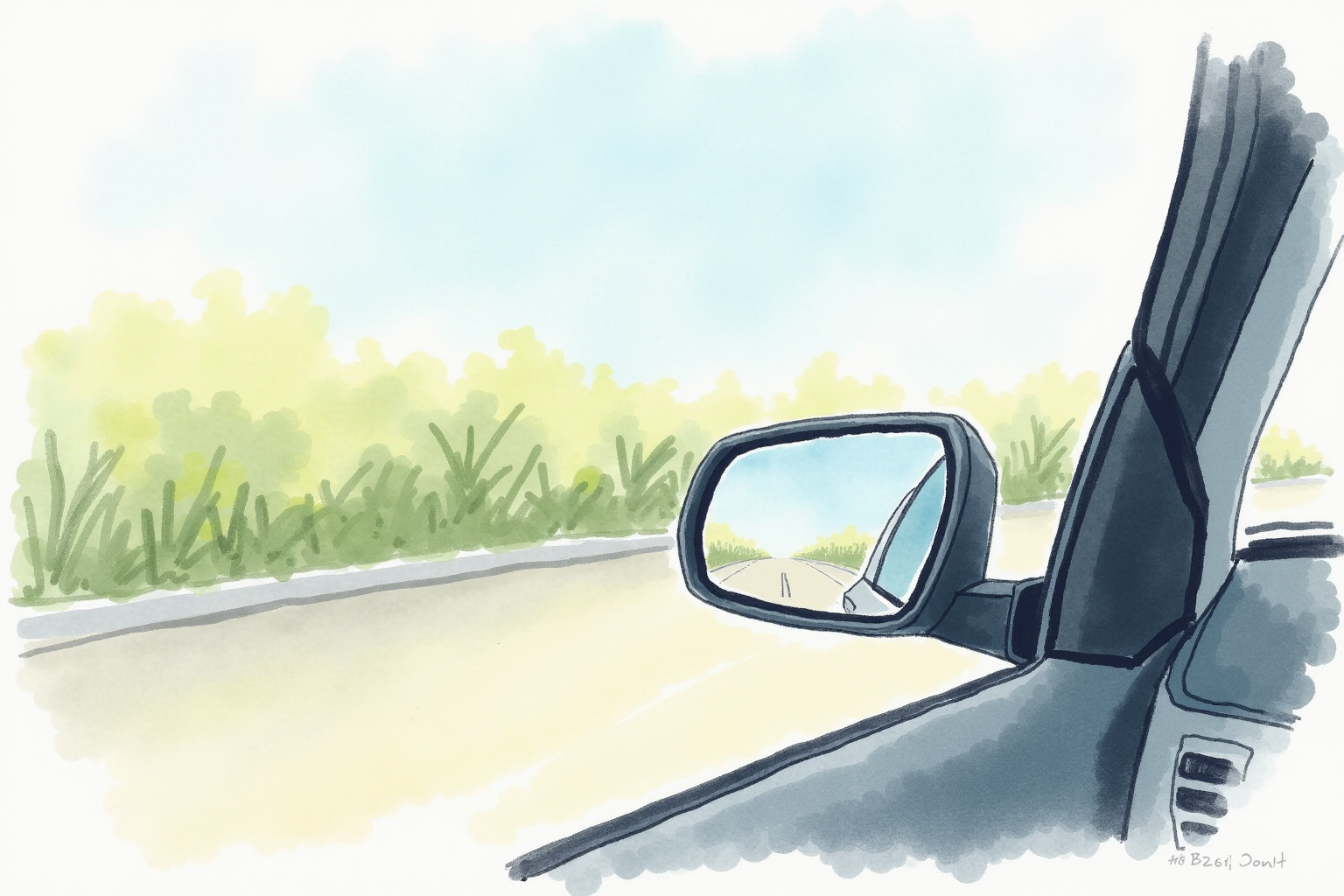
Blind spot mirrors are among the lowest-cost, highest-impact safety modifications available for any vehicle. The simple stick-on convex mirrors that mount on existing side mirrors extend driver visibility into the blind spot zones that standard mirrors miss. Per NHTSA crash data, lane change and merge collisions account for significant accident statistics, and blind spot mirrors meaningfully reduce these incidents.
This article uses NHTSA crash data, IIHS lane change collision research, Consumer Reports and Wirecutter product testing, and AAA mirror adjustment guidance to evaluate blind spot mirrors. Topics include collision statistics, mirror types, proper placement, installation tips, and comparison with electronic blind spot monitoring.
For complementary content, see tire pressure monitor tested and OBD2 scanner guide.
The blind spot problem

Standard side mirrors leave significant blind spots — areas alongside and behind the vehicle that aren’t visible in either side mirror or rear-view mirror. The blind spot zone is typically:
- 3-5 feet wide along each side of vehicle
- Extends from rear of vehicle to about 15 feet behind
- Located in the space between what side mirror shows and what driver sees in peripheral vision
A car (or motorcycle) in your blind spot is invisible until you turn your head. Many drivers (especially during commute fatigue) skip the head turn and rely on mirrors alone — creating real collision risk.
Crash statistics
Per NHTSA data:
- Lane change/merge crashes: 4-7% of all collisions
- Most occur on highways during routine driving
- Often involve injury due to highway speeds
- Estimated 300,000+ injury crashes annually from blind spot incidents
Per IIHS analysis, lane change crashes are largely preventable with proper blind spot awareness. Mirror solutions plus electronic monitoring reduce these dramatically.
Convex mirror solution

Convex (curved outward) mirrors show a wider field of view than flat mirrors. The trade-off: objects appear smaller and farther than they actually are. Hence the warning “Objects in mirror are closer than they appear” on convex mirrors.
For blind spot use, the wider field is the point. A small 2-inch convex mirror mounted on the corner of your existing side mirror extends visibility 30-60 degrees, covering the blind spot zone.
Ampper Blind Spot Mirror 2 inch Round Pack of 2
Price · $10-15
+ Pros
- · 360-degree adjustable angle
- · Weatherproof adhesive backing
- · Convex design eliminates blind spots
- · Compact 2-inch size doesn't block main mirror
− Cons
- · Quality adhesive but eventually weakens (12-24 months)
- · Plastic frame less durable than metal
- · Black plastic shows water spots
Paid affiliate link. Price, availability, and ratings can change; verify details on the retailer page before buying.
Per Wirecutter testing, Ampper Round 2-inch is the consistent recommendation. $10-15 for two-pack (covers both sides of vehicle), reliable adhesive, adjustable angle for proper aiming.
Placement and adjustment
Per AAA mirror adjustment guidance and driving school best practices:
Driver-side mirror: place blind spot mirror in upper-outer corner (away from vehicle body). The main mirror should still show your vehicle’s rear quarter; the convex mirror extends view to driver’s left blind spot.
Passenger-side mirror: similar — upper-outer corner. Main mirror shows rear quarter, convex mirror covers right blind spot.
Size positioning: 2-inch round is the sweet spot. Larger mirrors (3-4 inch) can block too much of main mirror view. Smaller mirrors don’t show enough.
Angle adjustment: after attaching, sit in driver seat and adjust angle until you can see the blind spot zone. The blind spot is the area between what the side mirror shows and what you see in peripheral vision when looking forward.
Combined adjustment: also re-check main side mirrors. Many drivers have mirrors aimed too far inward (showing rear of own vehicle). Aim main mirrors outward so you barely see your own car — this maximizes coverage.
Installation steps
5-minute installation:
-
Clean side mirror surface with isopropyl alcohol. Wait 1-2 minutes for full evaporation.
-
Decide placement (upper-outer corner). Mark with washable marker if helpful.
-
Remove adhesive backing from blind spot mirror.
-
Apply firmly to side mirror. Press for 30 seconds.
-
Wait 2-4 hours before pressure testing (adhesive curing).
-
Adjust angle from inside driver seat. Loosen ball joint if applicable, adjust, retighten.
-
Test by checking blind spot zones during low-speed driving in safe area.
-
Re-adjust as needed.
Common installation issues
Adhesive failure: cheap mirrors have weak adhesive. Ampper and other quality brands use 3M adhesive that lasts 1-2 years. If mirror falls off, clean both surfaces thoroughly before reapplication.
Wrong angle initially: most users place too steep an angle. Test in low-traffic area to verify you can see blind spot vehicles, not just immediate side of car.
Hot/cold weather adhesive: extreme temperatures stress adhesive. Apply in moderate weather if possible. Avoid washing for 24 hours after install.
Replacement mirrors: when current mirror falls off, don’t use damaged adhesive. New mirror with fresh adhesive only.
Electronic Blind Spot Monitoring
For vehicles with factory BSM (radar/camera in side mirror that lights up when vehicle is in blind spot):
Electronic BSM is more effective than passive mirrors for collision prevention. Per IIHS data, factory BSM reduces lane change crashes ~14%.
Newer vehicles increasingly include BSM as standard. Subaru EyeSight, Toyota Safety Sense, Honda Sensing, Hyundai Safety Sense — all include blind spot monitoring.
Aftermarket BSM retrofit ($300-1,000 installed) is available for vehicles without factory BSM. Brands: Yada, Goshers, ZEROXCLUB.
For most vehicles without factory BSM, stick-on mirrors at $10-15 provide cost-effective safety upgrade. Aftermarket BSM retrofit makes sense only for: vehicles parked in driveway permanently (worth investment), commercial vehicles with high mileage, drivers with attention difficulties.
Mirror types compared
Round 2-inch convex (Ampper, K Source): standard recommendation. Adjustable, compact, durable. $10-15 for pair.
Round 3-inch convex (Allview, larger brands): for trucks and SUVs where larger view helps. $15-25 for pair.
Rectangular wide-angle (Wedge-shaped, fits across mirror): provides panoramic view. Some drivers find disorienting. $20-30 for pair.
Fresnel lens mirror (flat lens with focusing rings): unique optical design. Less common, sometimes preferred for clarity over convex. $15-25.
Integrated aftermarket mirror replacement (replaces entire side mirror): permanent install, factory-look. $50-150 per side.
For most vehicles, round 2-inch convex stick-on is the right starting point.
Maintenance
Cleaning: gentle soap and water. Avoid abrasive cleaners that scratch convex surface.
Adjustment check: re-verify angle quarterly. Vibration may cause slight drift over time.
Adhesive check: monthly visual check for signs of separation. Replace before it falls off (and gets damaged).
Lifespan: quality mirror lasts 12-24 months on adhesive before replacement needed. Mirror surface itself lasts many years.
When mirrors don’t help
Blind spot mirrors don’t help when:
Driver doesn’t actually look: mirrors only help if you check them. Habit-building required.
Mirrors poorly adjusted: many users install but never properly aim. Take time to adjust after installation.
Mirror falls off: cheap mirrors lose adhesion. Use quality brands.
Extreme weather visibility: heavy rain, snow, fog can obscure mirrors and electronic sensors equally.
Aggressive driving: rapid lane changes faster than mirror-check workflow allow.
Bottom line
Blind spot mirrors are among the highest cost-effectiveness safety modifications available. $10-15 investment in quality stick-on convex mirrors (Ampper Round 2-inch) extends visibility into blind spot zones, meaningfully reducing lane change collision risk.
For vehicles with factory BSM: stick-on mirrors provide supplementary visual confirmation. Electronic + visual = best coverage.
For vehicles without factory BSM: stick-on mirrors are essential. Don’t drive without them.
Proper installation (upper-outer corner) and adjustment matter. Combine with regular shoulder-check habit for best blind spot safety.
For complementary reading, see tire pressure monitor tested, OBD2 scanner guide, and the car safety category.
Mirror setup is a behavior change, not just an accessory
A convex blind-spot mirror can help only if it is installed, adjusted, and used consistently. Before attaching one, adjust the main side mirrors correctly: they should show adjacent lanes with minimal duplicate view of your own vehicle. If the main mirror is pointed too far inward, a stick-on mirror may appear helpful while preserving the same old blind spot. Clean the glass, place the convex mirror where it does not block the primary lane view, and test it in daylight before relying on it in fast traffic.
The driver also needs a new scan routine. Use the main mirror for distance and lane position, the convex mirror for quick blind-area awareness, and a shoulder check before the lane change when conditions allow. Convex mirrors distort distance; a vehicle can look smaller or farther away than it is. That is why the mirror should support the decision, not replace signal timing, speed matching, or direct observation.
| Setup issue | What it causes | Safer correction |
|---|---|---|
| Main mirror aimed at car body | Duplicate view and missed adjacent lane | Re-aim outward before adding convex mirror |
| Convex mirror too large | Blocks main mirror detail | Use smaller corner placement |
| Driver trusts convex distance | Unsafe merge gap | Use it as presence cue, not range estimate |
| Dirty or loose mirror | Distorted or vibrating image | Clean, reattach, or replace before highway use |
When electronic blind-spot monitoring changes the decision
Factory blind-spot monitoring is useful, especially in poor weather, heavy traffic, or vehicles with thick pillars. But it is still an aid. Sensors can be blocked by snow, mud, trailer setups, aftermarket repairs, or sharp speed differences. If a vehicle already has electronic monitoring, a small convex mirror may still help with parking, low-speed maneuvering, and trailer or bike-rack awareness, but it should not cover warning lights or reduce main mirror clarity.
For older vehicles, the best upgrade may be low-cost: correct mirror aiming, a clean windshield and side glass, a modest convex mirror, and a practiced lane-change routine. The value is highest when the driver uses the mirror to make earlier, calmer decisions rather than last-second corrections. If the mirror makes the view confusing, remove it and choose a smaller placement. A safety accessory that increases hesitation or misjudgment is not a safety improvement.