Tornado Warning Driving Shelter Decision Plan
A driver-focused severe-weather plan for tornado warnings: route decisions, safe shelter priorities, vehicle limits, alerts, and what not to do.

A tornado warning is not a normal rain-driving problem. A vehicle is a poor shelter from violent wind and debris, and the decision window can be short. This driver-focused guide was checked on 2026-06-21 against NOAA/NWS, Ready.gov, CDC, FEMA/Ready alert guidance, and NHTSA safety resources. It is not local emergency management advice. Follow official warnings, emergency responders, building staff, and local shelter instructions first; no article should be used to justify driving into a warned storm.
Quick decision table
| Situation | Safer choice | Mistake to avoid |
|---|---|---|
| Watch issued before departure | Delay, reroute, or identify sturdy shelters | Starting a long rural drive with no shelter plan |
| Warning affects current location | Seek a sturdy building and lowest interior shelter | Trying to outrun the storm in traffic |
| Only an overpass is nearby | Avoid using it as a shelter destination | Parking under it and blocking lanes |
| Alerts require reading | Pull over safely before detailed review | Studying radar while driving |
1. Decide before the warning, not during the panic
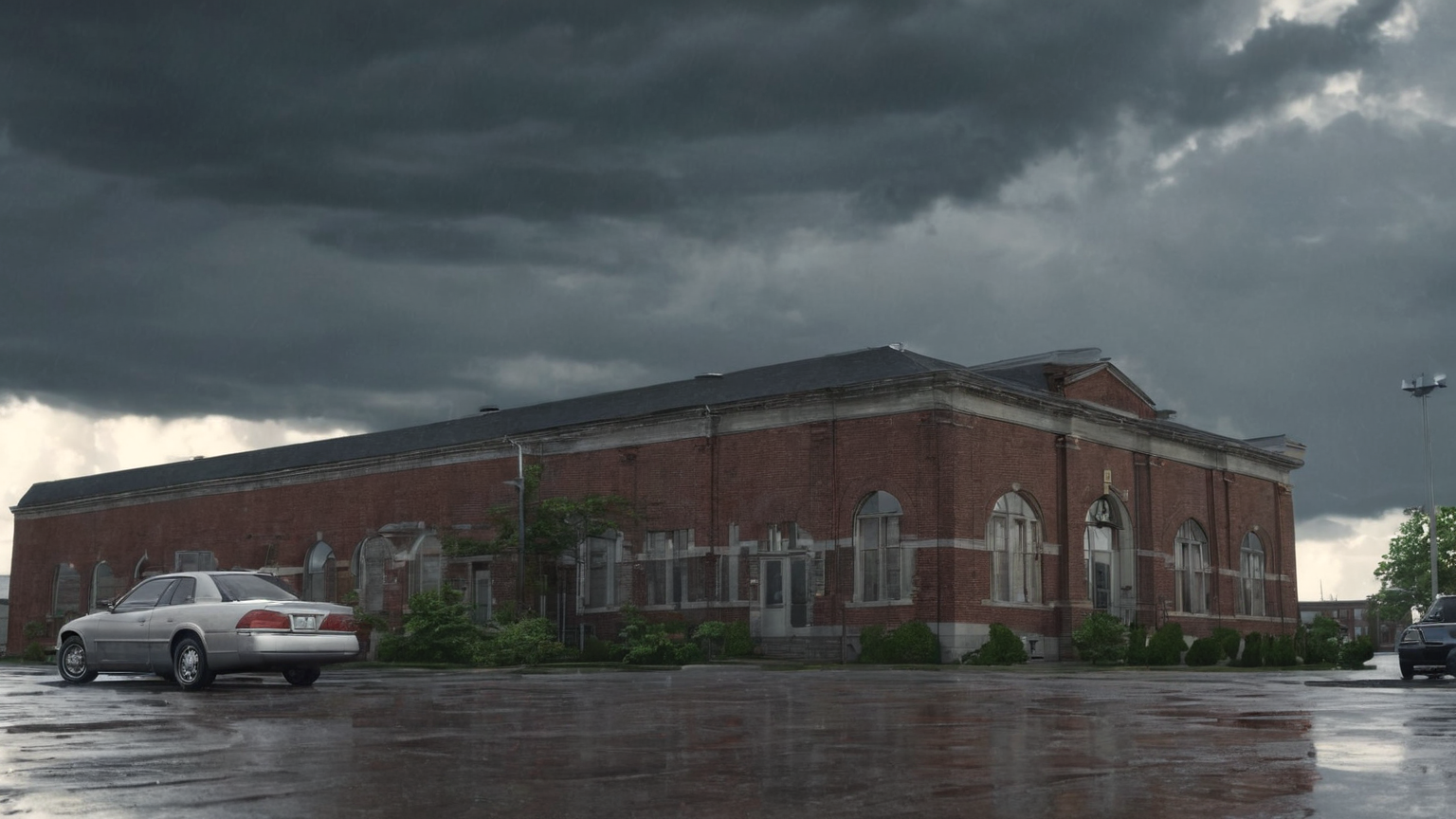
The safest tornado-driving plan is made while the sky is still ordinary. Know which route sections have sturdy public buildings, truck stops, schools, libraries, rest areas, or other substantial structures nearby. Keep Wireless Emergency Alerts enabled, check weather before long drives, and agree with passengers that shelter beats schedule. A calendar appointment is not a safety reason to continue toward a warned storm.
Use this section as a decision point, not a rigid script. Conditions change by home, road, kitchen, body, weather, equipment, and local rules. The safest version of the plan is the one that lowers risk before the problem becomes urgent, keeps the reader from relying on guesswork, and gives a clear stop condition when the evidence is incomplete.
2. Leave the vehicle for a sturdy shelter when possible
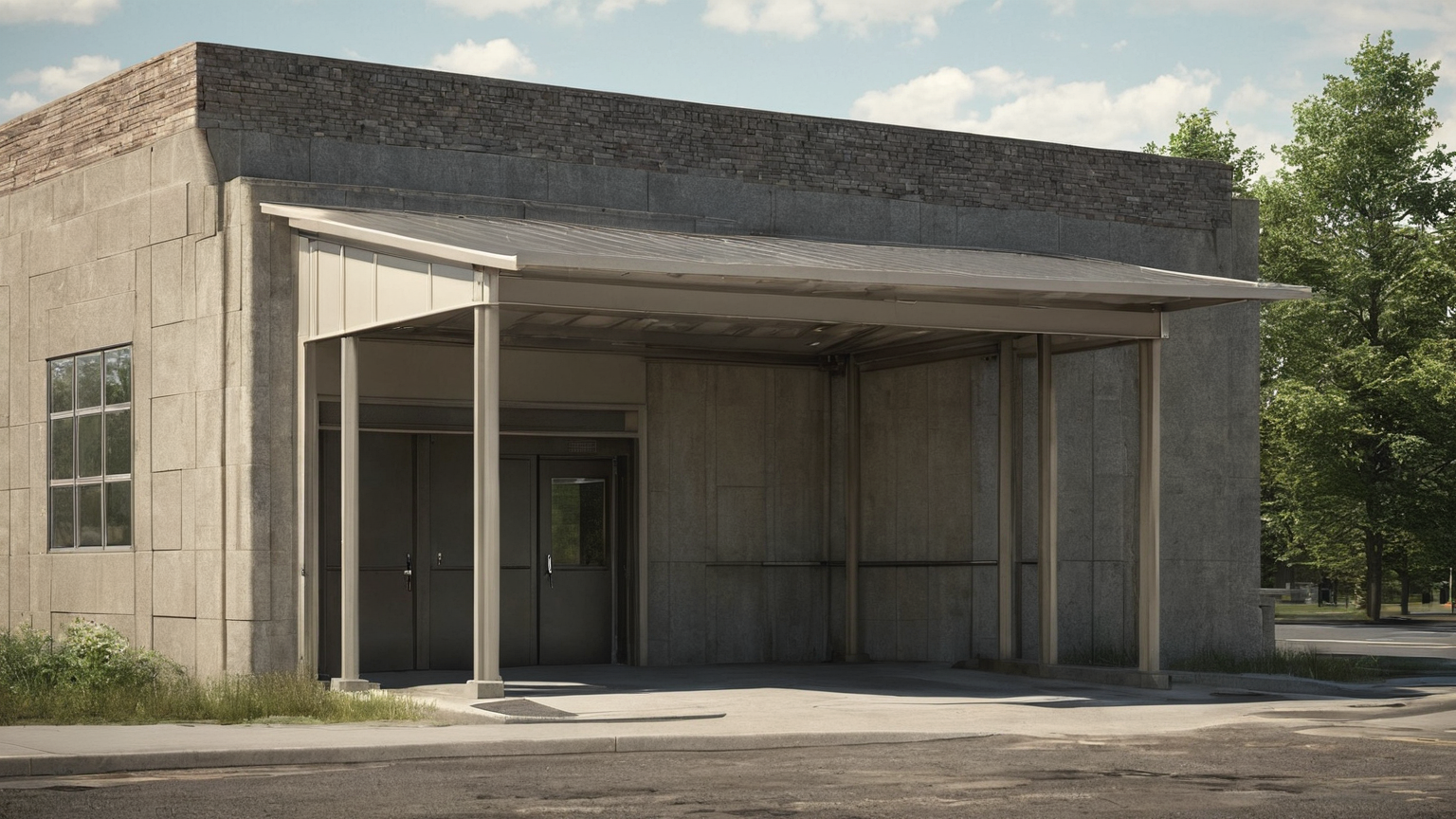
Official guidance prioritizes a basement or small interior room on the lowest level of a sturdy building. If you are driving and a warning affects your location, look for a safe building rather than trying to outrun the storm. Do not shelter under an overpass; wind can accelerate debris through those spaces and traffic stops can create additional danger. If no building is available, follow current official guidance for the lowest practical safe option and protect your head.
Use this section as a decision point, not a rigid script. Conditions change by home, road, kitchen, body, weather, equipment, and local rules. The safest version of the plan is the one that lowers risk before the problem becomes urgent, keeps the reader from relying on guesswork, and gives a clear stop condition when the evidence is incomplete.
3. Keep navigation simple and distraction-free
Severe weather creates visual clutter, noise, fear, and rapidly changing roads. Assign one passenger to alerts if available, keep directions brief, and avoid screen-heavy route searching while moving. If you need to read a warning polygon, stop safely first. Distracted driving is still dangerous even when the reason for looking down feels urgent.
Use this section as a decision point, not a rigid script. Conditions change by home, road, kitchen, body, weather, equipment, and local rules. The safest version of the plan is the one that lowers risk before the problem becomes urgent, keeps the reader from relying on guesswork, and gives a clear stop condition when the evidence is incomplete.
4. Plan for hail, flooding, and blocked roads as separate hazards
Tornado warnings often arrive with other severe-weather threats. Hail can break glass, flooded roads can hide depth and washouts, and debris can close lanes. Do not let the tornado decision erase other stop rules. If a roadway is covered, visibility collapses, or debris appears, slow down, turn around when lawful and safe, or stop at a safe structure before the situation becomes a trap.
Use this section as a decision point, not a rigid script. Conditions change by home, road, kitchen, body, weather, equipment, and local rules. The safest version of the plan is the one that lowers risk before the problem becomes urgent, keeps the reader from relying on guesswork, and gives a clear stop condition when the evidence is incomplete.
5. Make a family or work travel protocol
For families, delivery drivers, caregivers, and field workers, a protocol prevents argument in the moment: who checks alerts, when the trip pauses, which buildings are acceptable, how to contact others, and what to do if the phone network fails. Helpful content should reduce improvisation, not create false confidence that any vehicle technique can beat violent weather.
Use this section as a decision point, not a rigid script. Conditions change by home, road, kitchen, body, weather, equipment, and local rules. The safest version of the plan is the one that lowers risk before the problem becomes urgent, keeps the reader from relying on guesswork, and gives a clear stop condition when the evidence is incomplete.
Implementation checklist
- Check the official source or alert before relying on memory.
- Prepare the space, tools, route, or storage container before the risky step begins.
- Choose the lower-risk option when heat, time, moisture, fatigue, traffic, or cleanliness is uncertain.
- Keep warnings and thresholds in accessible text rather than embedded image text.
- Re-check after the activity: recovery, leftovers, route safety, moisture, or equipment condition.
- Do not add affiliate products unless a product is genuinely necessary for reader safety or implementation.
- Save the one lesson that will make the next attempt easier.
Example mini-scenarios
Scenario one: the reader has the right general plan but the conditions are worse than expected. The answer is not to force the original plan; it is to keep the useful goal and reduce the risky variable. That may mean a lighter training session, a smaller cookout batch, a shelter stop before a storm, or filter maintenance before the hottest part of the day.
Scenario two: the reader has incomplete information. Maybe the leftover time is unknown, the weather alert moved, the room humidity is higher than expected, or the athlete slept poorly. Incomplete information should widen the safety margin. The article’s tables are designed to make that choice feel normal rather than like a personal failure.
Scenario three: convenience competes with safety. A shortcut may save ten minutes, but it can create a much larger problem: foodborne illness, heat stress, a dangerous roadside decision, electrical risk, or a stalled training block. The better routine makes the safe action easier to repeat.
Source notes and limitations
The linked sources are used to set conservative decision boundaries, not to create medical, legal, electrical, restaurant, emergency-management, or mechanical instructions. Product manuals, local alerts, recalls, clinicians, emergency responders, building staff, and qualified professionals can override this general planning guide.
FAQ
Why does the article avoid exact numbers inside images?
Generated images can distort text, numbers, labels, and interfaces. Safety-critical details belong in source-backed body text, tables, and official links where readers and screen readers can inspect them clearly.
What if my situation is more complicated than the table?
Use the table as a conservative starting point, then choose the lower-risk option. A professional, official alert, product manual, local rule, or emergency instruction should override this general guide.